

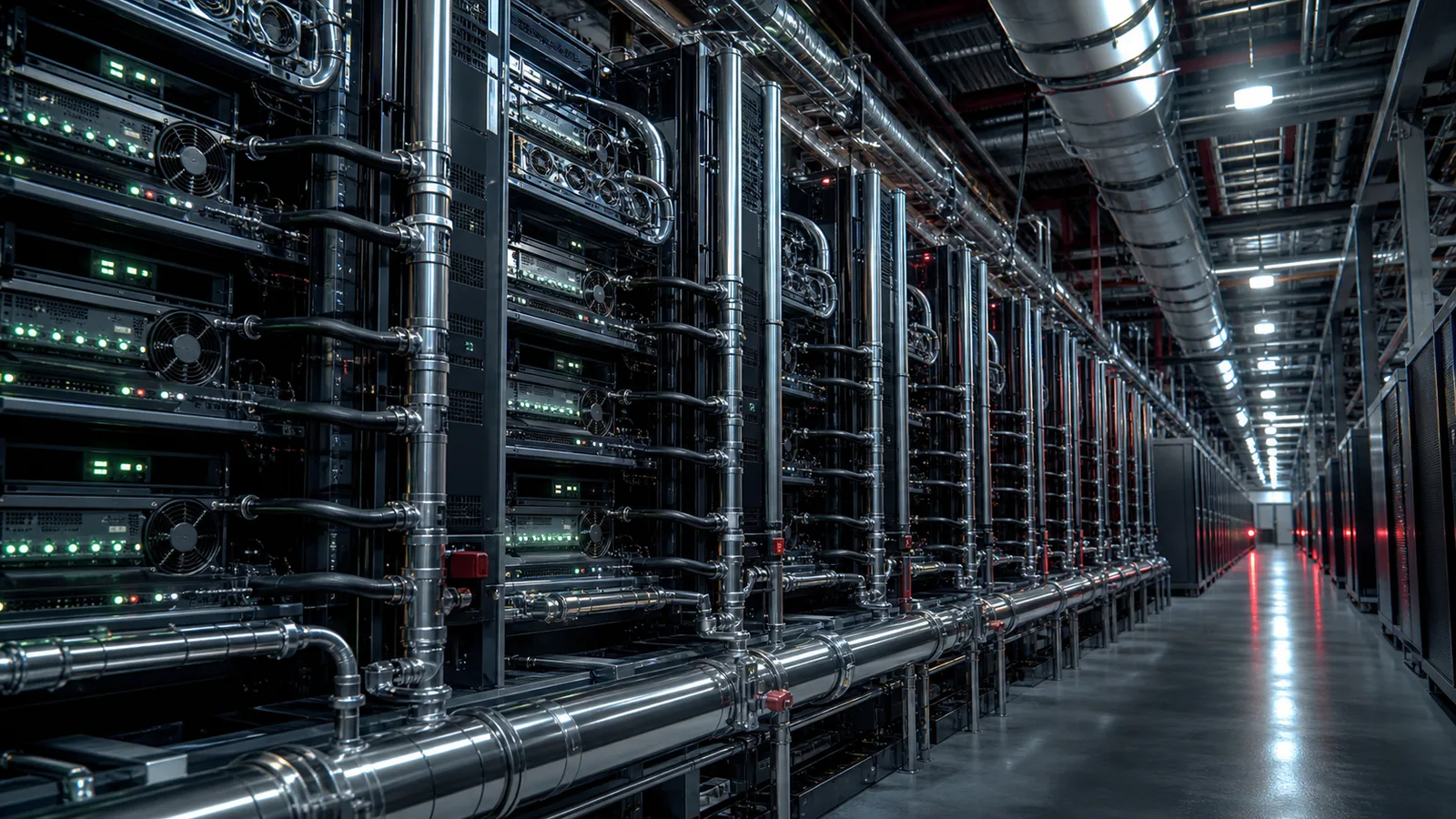
Amazon will build “AI Factories” for its customers. The company has introduced AI Factories as full-stack AI systems that enterprises and government bodies can install directly in their own data centers — rather than in a shared AWS region. The customer provides space and power; Amazon deploys the full AI platform, services it, and optionally connects it to other AWS services as needed.
The pattern
This model addresses data security concerns for large enterprises and government agencies that require information to remain within their territory rather than being transmitted to external clouds. “Data stays inside the organization, no need to send it to cloud, dedicated equipment is used,” enabling companies to implement AI without losing information control.
Microsoft has demonstrated a similar approach with AI factories built on Nvidia technology used by OpenAI. The pattern is now industry-wide: hyperscaler-grade AI delivered into customer-controlled facilities.
Why it matters for Central Asia
The irony is that AI development is returning the technology market to a state that resembles where it was approximately fifteen years ago — companies actively constructing private data centers and hybrid systems combining local equipment with cloud infrastructure. Modern AI models demand such substantial computing resources and operate on data so sensitive that maintaining equipment locally often proves simpler and safer than streaming everything to a remote region.
Sovereign-AI pressure is real in every jurisdiction, and especially acute in regulated sectors — finance, healthcare, government. The AI Factory model lets enterprises get hyperscaler-grade AI without shipping data out. The bottleneck is no longer hardware or software — it’s whether a commercial Tier IV facility exists locally to host it.
That’s where Akashi enters the map. With 100 MW of capacity and Tier IV fault-tolerance, the Astana campus is the kind of facility this new generation of “AI Factory” deployments needs.